


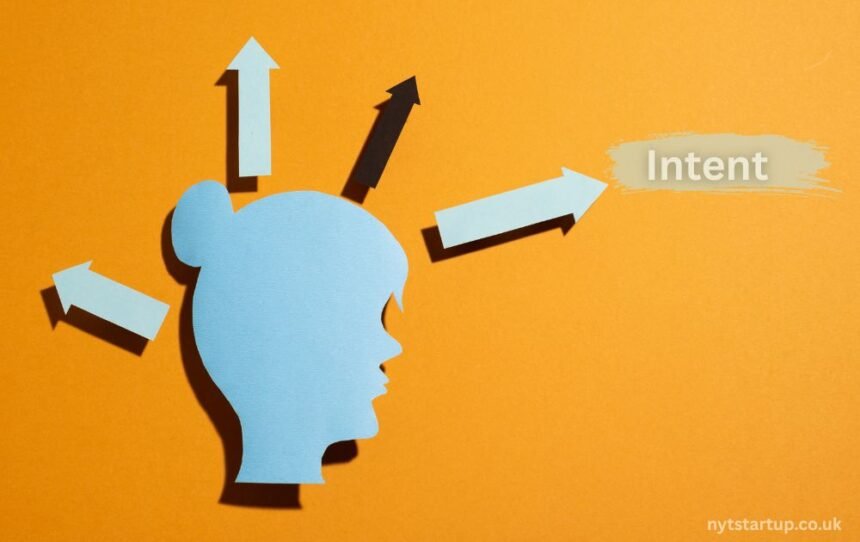
When we talk about intent, we’re really talking about purpose the driving force behind our actions, decisions, and thoughts. Intent is what gives direction to behavior and meaning to choices. It’s not just about “doing things,” but why we do them. At its core, intent shapes our experiences and influences how others perceive us. Whether we’re setting goals, communicating with others, or simply reflecting on life, intent plays a central role.
Intent can be both conscious and unconscious. Sometimes we set clear intentions like committing to a healthier lifestyle or planning a career goal. Other times, our intent is buried under habits and patterns we may not even realize we hold. Recognizing intent helps us become more self-aware and aligned with our true values. In this article, we’ll explore how intent works, why it’s important, and how you can harness it to live a more purposeful life.
What Does Intent Really Mean?
Intent isn’t just a vague idea floating in your mind it’s a mental state that precedes action. When you feel motivated to achieve something, that motivation is shaped by intent. For example, if someone says “I intend to be kinder,” they are making a commitment rooted in inner purpose. Intent isn’t about perfection it’s about direction.
Intent differs from desire in that desire can be passive (“I wish I could…”), while intent requires a subtle commitment (“I aim to…”). Intent also differs from impulse, which often happens without thoughtful planning. Real intent reflects deeper values such as honesty, compassion, growth, and purpose. Learning to clarify your intent helps you act with intention rather than drift through life reacting to circumstances.
How Intent Shapes Our Actions and Outcomes
You can’t see intent with your eyes, but you can definitely feel its impact. When a person acts with genuine intent, their actions often feel grounded and confident. This clarity makes it easier to follow through on goals because the internal motivation is stronger than distractions.
Intent also sets expectations. When you approach a task with clear intent, you signal to yourself and others what you’re aiming for. This doesn’t mean you’ll always succeed but it does mean you’re more likely to persevere through challenges. For example, a student who intends to learn (not just pass) will study differently asking questions, engaging more deeply, and practicing more often.
Intent vs. Motivation: What’s the Difference?
Motivation and intent are related, but they’re not the same. Motivation is the spark the feeling that gets you started. Intent is the directional compass that keeps you moving. Motivations can be fleeting, triggered by emotion or external reward. Intent is more enduring, driven by inner alignment with your values.
Imagine two people training for a marathon. One is motivated by praise and trophies, while the other is driven by personal growth and wellness. When fatigue sets in, the person with deeper intent is more likely to keep going not because they don’t feel tired, but because their inner compass points toward growth rather than external validation.
How Intent Affects Communication
Have you ever walked away from a conversation wondering what the other person really meant? Most misunderstandings stem not from what was said, but from the perceived intent behind the words. When we communicate with unclear or conflicting intent, others may feel confused or mistrustful.
Clear intent in communication means being honest about your purpose whether you’re asking a question, offering feedback, or sharing support. When your words and intent align, people pick up on your authenticity. And when they don’t align, it creates dissonance. This is why great communicators don’t just choose words wisely they also shape the intent behind them.
Developing Strong Intent: Practical Steps
Get Clear on Your “Why”
Start with asking yourself: Why do I want this? Spend time journaling your reasons without judgment. This builds clarity and reduces inner conflict.
Write Down Your Intentions
Putting intent into words makes it real. Try writing daily or weekly intentions rather than vague goals.
Focus on Consistency, Not Perfection
Intent isn’t about flawless execution it’s about direction. Celebrate small wins and adjust your path when needed.
Reflect on Your Actions
At the end of each day, ask yourself if your behaviors reflected your true intent. Reflection deepens awareness and alignment.
Intent in Personal Growth and Wellbeing
When individuals act with intention, they are more present, mindful, and purposeful. Intent reshapes habits and gives meaning to routines. For example, someone who eats with the intent of nourishing their body will choose foods differently than someone who eats just out of habit.
Intent also affects emotional wellbeing. Clearer intentions reduce internal conflict and increase life satisfaction. When you understand what truly matters, decisions become easier and less exhausting. This deeper sense of purpose fosters happiness and resilience.
Intent and Goal Achievement
Setting goals without understanding intent is like trying to navigate without a map. Intent bridges the gap between vague aspirations and committed action. It transforms dreams into strategic steps.
For lasting success, align your goals with your deeper intentions. For instance, if your goal is financial freedom, explore why that matters. Is it for security? To support family? To travel? When your goals reflect deeper intent, you are more likely to pursue them with passion and persistence.
Intent in Relationships
Healthy relationships thrive when individuals express clear intent. People feel safe when they know where the other person stands whether it’s in friendships, family, or romantic connections. When partners express intent openly like “I intend to support your growth” trust increases. Unspoken or conflicting intent, on the other hand, can erode connection. Open communication and honest intentions strengthen bonds over time.
The Power of Intent in Everyday Life
Intent isn’t just for big life decisions it influences everyday choices too. From how you treat strangers to how you respond to setbacks, intentional living brings consciousness into ordinary moments. Instead of reacting, intention invites reflection: What’s my purpose here? What do I want to create? This mindset transforms ordinary moments into opportunities for growth.
Final Thoughts on Intent
Understanding intent gives you the power to shape your experiences more consciously. It helps you move beyond autopilot, build deeper relationships, and pursue goals that matter. Intent connects your inner values with outer actions and it’s one of the most powerful tools for living a meaningful life.
FAQs About Intent
What’s the difference between intent and purpose?
Intent is the reason behind an action, while purpose is the broader meaning of your life’s direction.
Can intent change over time?
Yes as you evolve, your intentions may shift based on new values and experiences.
How do I set clear intent?
Start by asking yourself why you want something, and write your intentions down.
Why does intent matter in communication?
It helps others understand your motivations, reducing misunderstandings and building trust.
Does strong intent guarantee success?
Not always but it greatly increases focus, motivation, and resilience toward your goals.