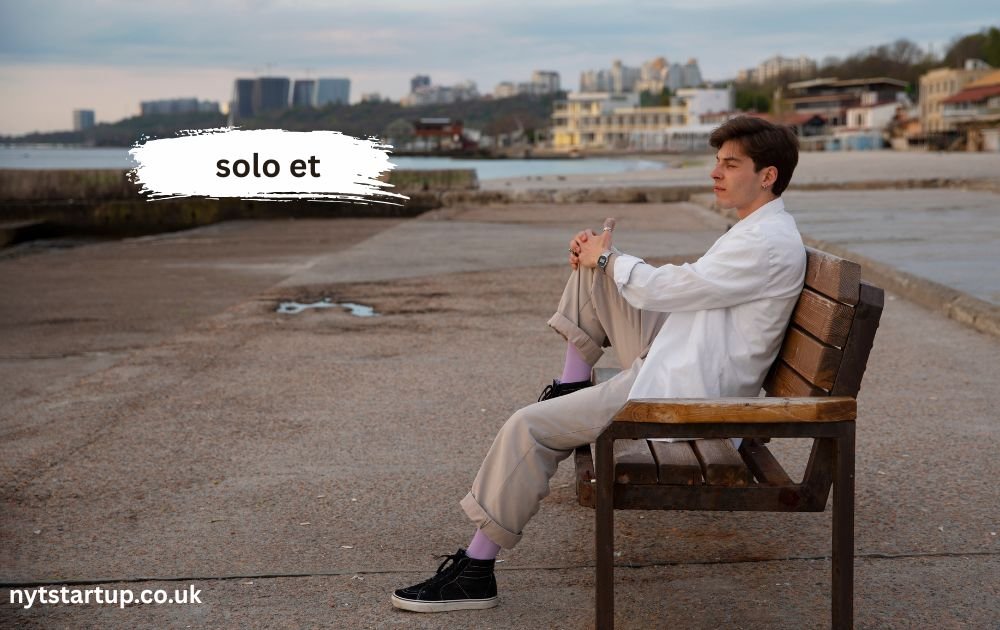
The phrase solo et carries a gentle yet powerful meaning rooted in reflection and quiet presence. It suggests being alone, not in isolation, but in thoughtful awareness. Rather than loud emotions, it whispers calm introspection, inviting the reader into a personal inner space.
Linguistic Roots of Solo et
The phrase solo et finds its roots in Latin and early Italian literary language, where solo conveys the idea of being alone or singular in presence. The word et functions as a quiet connector, linking thoughts rather than ending them. Together, they form a subtle expression that suggests ongoing reflection. This linguistic pairing gives the phrase its soft, unfinished, and contemplative tone.
How the Phrase Is Commonly Interpreted
The phrase solo et is commonly understood as a state of quiet self-reflection rather than isolation. It suggests choosing to be alone in order to think, observe, and understand one’s inner emotions more clearly. Instead of expressing loneliness, it conveys calm awareness and emotional distance from external noise. The interpretation often highlights mindfulness, introspection, and personal clarity.
The Cultural Weight of “Solo et Pensoso”
Solo et pensoso carries deep cultural meaning rooted in reflection and emotional restraint. It represents a mindset where solitude becomes a space for thought rather than escape. Over time, the phrase has come to symbolize quiet introspection shaped by historical and artistic traditions.
Historical Background of Solo et Pensoso
The phrase emerged during a time when writers valued inner reflection and personal struggle. It reflects an era where emotional depth was explored through solitude and thoughtful distance from society.
Renaissance Influence on the Phrase
Renaissance thinkers embraced solitude as a path to wisdom and self-knowledge. Solo et pensoso fits this outlook by blending emotional awareness with intellectual reflection, making it a lasting expression of Renaissance humanism.
Solo et Pensoso as a Poetic Expression
Solo et pensoso stands as a quiet yet powerful poetic expression of inner reflection and emotional restraint. It captures the feeling of walking alone while the mind drifts through personal thoughts and unspoken desires. Rather than dramatic emotion, it relies on subtlety, allowing silence and movement to convey meaning. This gentle approach makes the poetry feel intimate, timeless, and deeply human.
Emotional Themes in Solo et Pensoso Poesia
The emotional core of Solo et Pensoso poesia rests on quiet introspection and restrained longing. Rather than dramatic sorrow, it expresses a gentle melancholy shaped by self-awareness and inner conflict. The poem captures the feeling of walking alone with one’s thoughts, where reflection becomes both comfort and burden. This emotional softness allows readers to connect deeply without feeling overwhelmed.
Solitude as a Literary Device
Solitude in literature is often used as a quiet space where characters confront their true thoughts and emotions. It allows writers to slow the pace and deepen introspection without external distractions. Through solitude, inner conflicts become clearer, and subtle emotional shifts gain meaning. Rather than isolation, it serves as a lens for self-discovery and honest reflection.
Francesco Petrarch and Solo et Pensoso
Francesco Petrarch gave Solo et Pensoso its lasting emotional depth through his deeply personal voice. In this poem, he reflects on solitude as a space for inner struggle and self-discovery rather than escape. His quiet tone and thoughtful imagery reveal a man torn between worldly desire and spiritual reflection. This gentle honesty is what makes the poem timeless and deeply relatable.
Petrarch’s Inner World
Petrarch’s inner world is shaped by deep reflection, emotional conflict, and quiet longing. He often turns inward to examine love, desire, and spiritual uncertainty with gentle honesty. Rather than dramatic expression, his thoughts unfold slowly, revealing a mind caught between passion and restraint. This introspective approach gives his writing a timeless, human depth.
Why This Poem Still Resonates
This poem continues to resonate because it captures emotions that are timeless and universal. Its quiet reflection on solitude and inner thought speaks to anyone who has ever sought peace or understanding within themselves. Even centuries later, readers connect with its gentle honesty and the subtle beauty of introspection. The feelings it evokes remain deeply human, bridging past and present with emotional clarity.
Exploring Solo et Pensoso Poesia
Solo et pensoso poesia captures the quiet beauty of solitude, reflecting deep thought and gentle introspection.
- Emphasizes emotional reflection over action
- Highlights nature and silence as companions
- Uses measured structure to mirror inner calm
- Conveys melancholy without despair
- Invites readers to pause and reflect
Modern Interpretations of Solo et
Even today, solo et resonates strongly in a world full of constant noise and distraction. It symbolizes the timeless need for personal space and quiet reflection. Writers, artists, and thinkers use the phrase to express moments of introspection, showing that solitude can be both meaningful and inspiring. Its message of calm self-awareness continues to connect with modern audiences seeking balance and clarity.
Why the Phrase Still Feels Relevant
Even today, solo et resonates because it speaks to our need for quiet and reflection in a fast-paced world. It reminds us that taking time to be alone with our thoughts is not only natural but necessary. The phrase captures emotions that are timeless, offering comfort and insight across generations. Its simplicity makes it easy to relate to, no matter the era or culture.
Use in Modern Writing and Art
The essence of solo et continues to inspire contemporary writers and artists, who use its themes of solitude and reflection to convey deeper emotions. In modern literature, it often appears as a tool for introspection, while in visual arts and music, it helps capture mood and quiet contemplation. This timeless phrase bridges the gap between classical thought and today’s creative expression, making stillness a central part of storytelling and artistry.
Psychological Perspective on Solo et
From a psychological viewpoint, solo et highlights the benefits of stepping back from external distractions to connect with your inner thoughts. Solitude allows the mind to process emotions, reflect deeply, and gain clarity, fostering both mental well-being and self-awareness.
The Mind in Solitude: In quiet moments alone, the mind naturally sorts through complex feelings and thoughts, often revealing patterns or insights that go unnoticed in a busy environment. Even a simple walk or sitting in nature can trigger this reflective process.
Creativity Born from Quiet: Many creative breakthroughs emerge in solitude, as the absence of noise encourages free thinking. Artists, writers, and thinkers often find their most original ideas arise when their mind is left undisturbed, allowing imagination to flourish.
Why Readers Feel Connected to Solo et
Readers often feel drawn to Solo et because it captures emotions everyone experiences, like reflection, longing, and quiet introspection. Its gentle, thoughtful tone resonates deeply, allowing readers to see their own feelings mirrored in the words. The phrase transcends time, culture, and age, making it a universal touchpoint for personal reflection.
Universal Human Emotions: Solo et subtly reflects emotions we all recognize moments of solitude, silent contemplation, and the inner dialogue we carry daily. These feelings are familiar, making the poem emotionally accessible to a wide audience.
Timeless Relatability: The themes of Solo et remain relevant across generations. Whether in Renaissance Italy or today’s fast-paced world, the longing for quiet thought and personal reflection continues to connect with readers in a meaningful way.
Solo et Pensoso in Education
Solo et Pensoso offers a gentle way to introduce students to emotional awareness and reflective thinking. By exploring the poem, learners can connect with their own feelings and understand the value of quiet contemplation in personal growth.
Teaching Emotional Literacy: Educators can use the poem to highlight emotions like melancholy, introspection, and calm resilience, helping students recognize and name their own feelings without judgment.
Encouraging Thoughtful Reading: The poem’s reflective tone invites careful attention to language and imagery, fostering patience, interpretation skills, and a deeper appreciation for nuanced writing.
Artistic Adaptations of Solo et Pensoso
The essence of Solo et Pensoso has inspired artists across various mediums, from music to painting. Its quiet, reflective mood translates seamlessly into soft melodies, gentle brushstrokes, and subtle visual storytelling. Each adaptation captures the poem’s introspective spirit, allowing audiences to experience its calm, thoughtful emotions in new and creative ways.
Music and Visual Art: Composers and painters translate its quiet emotion into sound and image.
Translating Poetry into Other Forms: Each adaptation preserves the reflective soul of the original.
Conclusion
Solo et and solo et pensoso poesia offer more than literary beauty they offer emotional permission. They remind us that stepping away, thinking deeply, and walking alone for a while is not weakness but wisdom. In a world full of noise, this quiet philosophy feels like a soft place to rest.
FAQs About solo et
What does “solo et” mean?
It refers to being alone in a reflective, thoughtful way rather than feeling lonely.
What is solo et pensoso poesia about?
It explores solitude, inner conflict, and emotional reflection through calm, introspective imagery.
Who wrote Solo et Pensoso?
The poem was written by Francesco Petrarch during the Renaissance.
Why is solo et pensoso still relevant today?
Because modern life still creates a need for silence, reflection, and emotional clarity.
Is solo et about sadness?
Not exactly it expresses gentle melancholy balanced with self-awareness and calm.