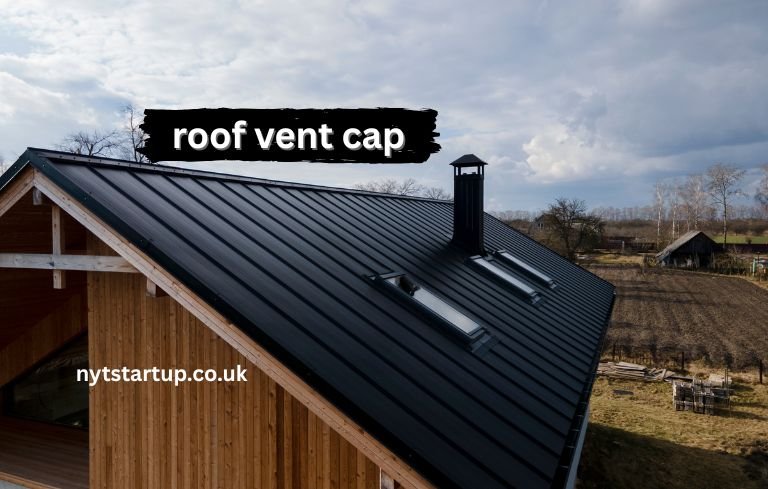
A roof vent cap is a protective covering installed over a ventilation pipe that exits through the roof. Its main purpose is to allow air, moisture, and gases to escape from inside the home while preventing rain, debris, and pests from entering the vent. This small component plays an important role in keeping the ventilation system working properly. By protecting the vent opening, it helps maintain good airflow and prevents potential damage inside the roof or attic.
Basic Function of a Roof Vent Cap
The roof vent cap serves as a protective cover placed over a roof vent pipe to allow air and moisture to escape safely from inside the home. At the same time, it blocks rain, debris, insects, and small animals from entering the ventilation system. Its design helps maintain steady airflow while protecting the duct from outside elements. By doing this, the vent cap supports proper ventilation and helps prevent moisture-related damage inside the attic or roof structure.
Why Every Roof Vent Needs a Cap
Every roof vent should have a vent cap because it protects the ventilation pipe from rain, debris, and pests. Without a cap, water can easily enter the duct and cause moisture damage inside the attic or ceiling. A vent cap also helps maintain proper airflow by allowing air to escape while preventing outside air from flowing back into the system. This simple cover improves ventilation efficiency and keeps the roof and home interior safe from potential damage.
How a Roof Vent Cap Works
A roof vent cap helps control airflow by allowing warm air, moisture, and fumes to escape from your home through the ventilation system. Its hooded design blocks rain, debris, and pests from entering the vent pipe while still keeping the airflow smooth and steady. Many vent caps also include a small damper that opens when air flows out and closes when the system is not in use. This simple mechanism protects the duct while improving overall ventilation efficiency.
Airflow and Ventilation Mechanism
The airflow system inside a roof vent cap is designed to move stale air out of the house while preventing outside air from flowing back in. When appliances like kitchen or bathroom fans operate, warm air travels through the duct and pushes the vent cap damper open. This allows the air to escape smoothly through the roof without obstruction. Once the airflow stops, the damper closes automatically to block drafts, debris, and pests from entering the ventilation pipe.
Protection Against Rain, Debris, and Pests
A roof vent cap acts as a protective shield that keeps rainwater, leaves, and outside debris from entering the ventilation pipe. Its hooded design directs water away from the opening while still allowing air to flow out freely. Many vent caps also include a mesh screen that blocks insects, birds, and small animals from getting inside the duct. This simple protection helps maintain clean airflow and prevents blockages that could damage the ventilation system.
Common Types of Roof Vent Caps
Roof vent caps come in different designs and materials to suit various ventilation needs. Each type is built to improve airflow while protecting the vent pipe from rain, debris, and pests.
- Kitchen Exhaust Roof Vent Cap: Designed for kitchen range hoods to release smoke, grease, and cooking odors safely outside.
- PVC Roof Vent Cap: Made from durable plastic material that resists rust and weather damage.
- Metal Roof Vent Cap: Usually aluminum or galvanized steel, known for strength and long-term durability.
- Roof Vent Cap Cover: An additional protective cover used to repair or upgrade existing roof vent systems.
Benefits of Installing a Roof Vent Cap
Installing a roof vent cap protects your home and improves ventilation. Key benefits include:
- Prevents water and debris entry into vents
- Blocks pests and insects from nesting
- Maintains proper airflow for better indoor air quality
- Reduces moisture damage in attics and ducts
Signs You Need Roof Vent Cap Replacement
Watch for these signs indicating it’s time to replace your roof vent cap:
- Cracks, rust, or visible damage on the cap.
- Reduced airflow or poor ventilation inside the home.
- Unpleasant odors coming from vents.
- Debris, bird nests, or insects blocking the vent.
Roof Vent Cap Replacement Guide
Replacing a roof vent cap is a straightforward home improvement project. With the right tools and careful installation, homeowners can complete the job in a few hours.
Tools and Materials Needed
Before starting, gather the following tools:
- Replacement roof vent cap
- Roofing nails or screws
- Roofing sealant or caulk
- Screwdriver or drill
- Utility knife
- Ladder and safety equipment
Step-by-Step Replacement Process
Start by safely accessing the roof using a stable ladder. Carefully remove the old vent cap by loosening the nails or screws that hold it in place. Once the cap is removed, clean the surrounding area and inspect the duct opening for damage or debris. Next, place the new vent cap over the pipe and align it with the roof surface. Secure it using roofing nails or screws, ensuring the flashing sits properly under the shingles. Finally, apply roofing sealant around the edges to create a waterproof seal. When installed correctly, the new cap will protect the vent and restore proper airflow for years to come.
Choosing the Right Roof Vent Cap
Selecting the correct roof vent cap ensures proper airflow and long-lasting protection. Consider these key points:
- Material: PVC for lightweight durability, metal for strength and weather resistance.
- Size Compatibility: Match the cap to your duct diameter to maintain efficient ventilation.
- Climate Consideration: Choose metal in harsh weather or PVC in mild conditions.
- Purpose: Kitchen, bathroom, or plumbing vents may require specific cap designs.
Roof Vent Cap Maintenance Tips
Keeping your roof vent cap in good condition ensures proper airflow and prevents damage. Follow these quick tips:
- Inspect for cracks, rust, or loose screws regularly.
- Clean debris and dust from mesh screens.
- Apply sealant if you notice any gaps or leaks.
- Remove any nests or blockages promptly.
- Check alignment to ensure proper ventilation.
Cost of Roof Vent Cap Installation
The cost of installing a roof vent cap varies based on the material and whether you hire a professional. Basic PVC or plastic caps are usually affordable, while metal or specialty kitchen exhaust caps can be more expensive. Professional installation adds labor costs, especially if roof access is difficult. DIY installation can save money, but safety and proper sealing are essential to avoid future repairs.
Conclusion
A roof vent cap may be a small component, but it plays a crucial role in protecting your home. It allows air to escape while preventing rain, pests, and debris from entering the ventilation system. Whether you are installing a kitchen exhaust roof vent cap, replacing a damaged unit, or choosing a durable PVC roof vent cap, selecting the right design ensures long-term performance. Proper installation and regular maintenance can extend the life of your roof vent cap and keep your ventilation system running smoothly. By paying attention to this often-overlooked component, homeowners can protect their roofs, improve air quality, and avoid costly repairs in the future.
FAQs About roof vent cap
What does a roof vent cap do?
A roof vent cap allows air, moisture, and gases to escape from ventilation ducts while preventing rain, debris, and pests from entering the pipe.
How long does a roof vent cap last?
Most roof vent caps last between 10 and 20 years depending on the material, weather exposure, and maintenance.
Can I install a roof vent cap myself?
Yes, many homeowners install roof vent caps as a DIY project. However, proper safety precautions and waterproof sealing are essential.
What size roof vent cap should I use?
The cap must match the diameter of your duct pipe. Common residential sizes include 4-inch, 6-inch, and 8-inch vents.
Are PVC roof vent caps durable?
Yes. PVC vent caps are corrosion-resistant, lightweight, and capable of withstanding both hot and cold weather conditions.