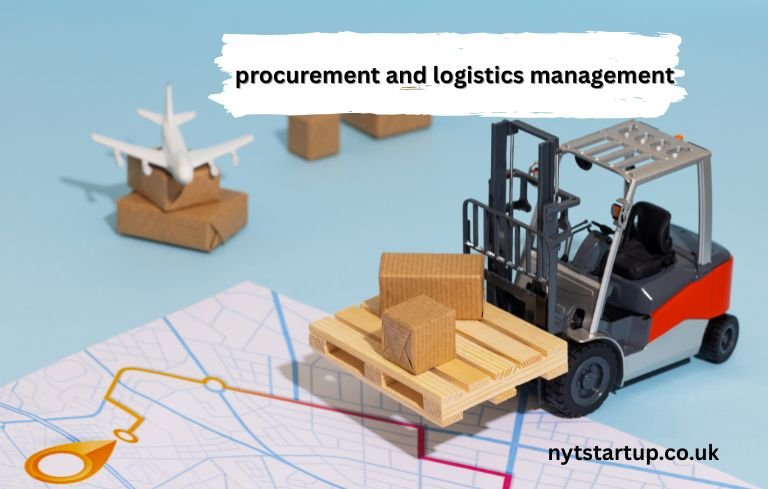
Procurement and logistics management is the process of sourcing goods and services and ensuring they are delivered efficiently to the right place at the right time. It combines purchasing activities, such as selecting suppliers and negotiating prices, with logistics functions like transportation, warehousing, and distribution. This coordination helps businesses maintain smooth operations, control costs, and meet customer demands. In simple terms, it connects buying with delivery to keep the entire supply chain running effectively.
Importance in Modern Business
In today’s fast-paced world, businesses cannot afford delays or inefficiencies. Procurement and logistics management has become a backbone of successful operations, especially with global supply chains becoming more complex. Organizations now compete not just on product quality but also on how quickly and efficiently they can deliver. From e-commerce giants to manufacturing industries, every sector depends heavily on streamlined procurement and logistics. A slight disruption in supply or delivery can lead to significant financial losses and customer dissatisfaction. That’s why companies invest heavily in improving these processes to stay competitive and responsive to market demands.
Key Components of Procurement Management
Procurement management involves several essential steps that help businesses acquire goods and services efficiently while maintaining quality and cost control. Each component plays a vital role in ensuring smooth operations and strong supplier relationships.
- Supplier Selection: Choosing reliable vendors based on quality, price, and performance.
- Purchase Planning: Identifying needs and scheduling purchases at the right time.
- Contract Management: Creating clear agreements to avoid misunderstandings.
- Cost Control: Negotiating prices to achieve maximum value.
- Supplier Evaluation: Monitoring supplier performance regularly.
Key Components of Logistics Management
Logistics management focuses on efficiently moving, storing, and delivering goods from one place to another while maintaining cost control and timely service. It ensures that products reach customers smoothly without delays or damage.
- Transportation: Managing the movement of goods via road, air, sea, or rail.
- Warehousing: Storing products safely before distribution.
- Inventory Management: Keeping optimal stock levels to avoid shortages or excess.
- Order Fulfillment: Processing and delivering customer orders accurately and on time.
- Distribution: Ensuring goods reach the final destination efficiently.
Difference Between Procurement and Logistics
Although procurement and logistics are closely related, they serve different purposes. Procurement focuses on acquiring goods and services, while logistics deals with their movement and storage. In simple words, procurement is about buying, and logistics is about delivering.
| Aspect | Procurement | Logistics |
| Focus | Purchasing goods/services | Movement and storage |
| Goal | Cost-effective sourcing | Efficient delivery |
| Process | Supplier management | Transportation and distribution |
Understanding this difference helps businesses allocate resources effectively and improve overall performance. When both functions work together seamlessly, organizations can achieve higher efficiency and customer satisfaction.
Role of Technology in Procurement and Logistics
Technology has transformed how procurement and logistics operate. Automation tools help streamline repetitive tasks like order processing and inventory tracking. This reduces human error and saves time, allowing employees to focus on more strategic activities. Artificial intelligence is also playing a growing role in predicting demand, optimizing routes, and improving decision-making. Businesses that adopt these technologies gain a competitive advantage by improving efficiency and reducing costs.
Benefits of Effective Procurement and Logistics Management
Effective procurement and logistics management helps businesses reduce costs, improve efficiency, and ensure timely delivery of goods. It strengthens supplier relationships and enhances overall operational performance.
- Cost savings through better sourcing and optimized transportation
- Improved efficiency in supply chain operations
- Timely delivery leading to higher customer satisfaction
- Better inventory control to avoid overstocking or shortages
- Stronger supplier relationships for long-term reliability
Challenges in Procurement and Logistics
Managing procurement and logistics comes with several challenges that can impact efficiency and overall business performance. From supply chain disruptions to rising costs, organizations must constantly adapt to changing conditions to stay competitive.
- Supply Chain Disruptions: Unexpected events like delays, shortages, or global crises can interrupt operations.
- Cost Fluctuations: Changes in fuel prices, raw materials, and transportation costs affect budgets.
- Supplier Reliability Issues: Inconsistent quality or late deliveries can impact production.
- Inventory Management Problems: Overstocking or stock shortages can lead to losses.
- Technology Integration Challenges: Adopting new systems can be complex and costly.
Procurement and Logistics Management Notes
For students and professionals, understanding key concepts is essential. Important topics include supplier management, inventory control, transportation systems, and risk management. These form the foundation of procurement and logistics management notes. Practical knowledge is equally important. Case studies and real-world examples help in understanding how these concepts are applied in actual business scenarios. This combination of theory and practice makes learning more effective and relevant.
MSC in Procurement and Logistics Management
An MSC in Procurement and Logistics Management is a postgraduate program designed to develop advanced skills in sourcing, supply chain operations, and logistics planning. It focuses on both strategic and practical aspects, helping students understand how to manage suppliers, control costs, and optimize distribution networks. The course typically includes real-world case studies and industry projects, making learning more hands-on and relevant. Graduates are well-prepared for leadership roles in global supply chains and operations management.
Future Trends in Procurement and Logistics
The future of procurement and logistics management is rapidly evolving with the rise of digital technologies and sustainability initiatives. Businesses are increasingly adopting tools like artificial intelligence, automation, and data analytics to improve efficiency and decision-making. At the same time, there is a strong shift toward eco-friendly practices, such as reducing carbon emissions and using sustainable materials. As global markets continue to expand, companies that embrace innovation and adaptability will be better positioned to stay competitive and meet changing customer expectations.
Conclusion
Procurement and logistics management is more than just buying and delivering goods it’s a strategic function that drives business success. From supplier selection to final delivery, every step plays a crucial role in ensuring efficiency and customer satisfaction. As industries continue to evolve, the importance of these processes will only grow stronger. Whether you are a student exploring career options or a business owner looking to improve operations, understanding this field can provide valuable insights. With the right strategies and tools, organizations can build resilient and efficient supply chains that stand the test of time.
FAQs About procurement and logistics management
What is procurement and logistics management in simple terms?
It is the process of sourcing goods and ensuring their efficient delivery to the desired location.
What are the key functions of procurement?
Supplier selection, contract management, and purchasing goods at the best price.
What does logistics management include?
Transportation, warehousing, inventory management, and distribution of goods.
Is an MSC in procurement and logistics management worth it?
Yes, it offers strong career opportunities and specialized knowledge in a growing field.
What skills are required for procurement and logistics management?
Analytical skills, communication, negotiation, and problem-solving abilities.