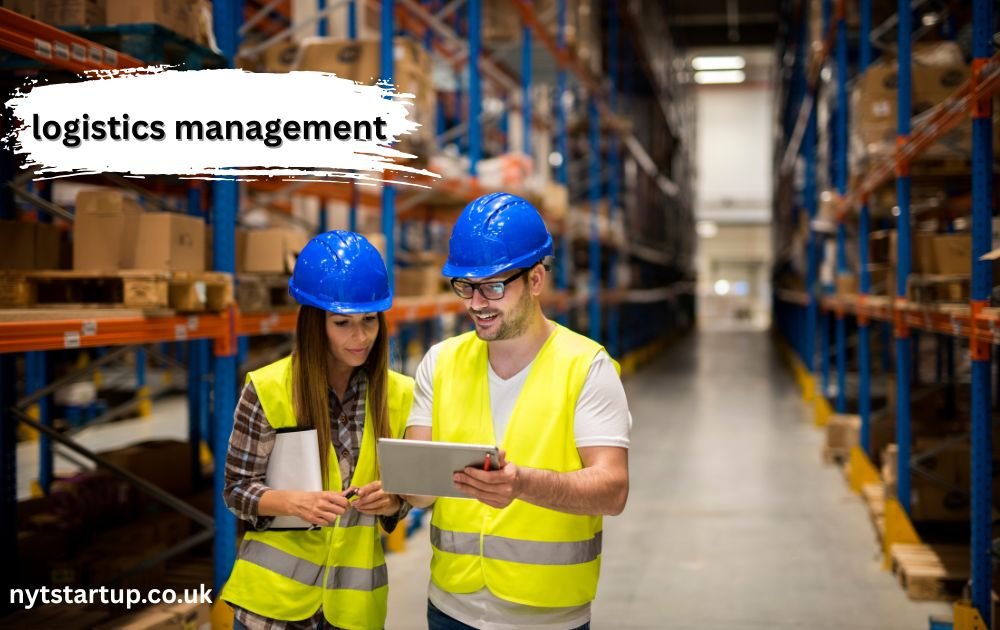
Logistics management is like the invisible engine that keeps businesses moving smoothly. You may not always notice it, but it’s working behind the scenes every time a product reaches your doorstep on time. In today’s fast-paced world, where customers expect speed and accuracy, logistics management has become more important than ever. With global trade expanding and e-commerce booming, supply chains are no longer simple. They stretch across countries, involve multiple partners, and rely heavily on technology. This is where smart logistics management steps in to bring order to the chaos.
What Is Logistics Management?
In simple terms, logistics management is the process of planning, implementing, and controlling the movement and storage of goods, services, and information from the point of origin to the final customer. Sounds technical, right? Think of it as making sure the right product reaches the right place, at the right time, and at the right cost. The main goals of logistics management are cost efficiency and customer satisfaction. Businesses want to reduce expenses without compromising on service quality. When logistics is handled well, customers are happier, and businesses grow faster.
Key Components of Logistics Management
Logistics management is built on several interconnected activities that ensure goods move smoothly from suppliers to customers. Each component plays a vital role in maintaining efficiency, reducing costs, and improving service quality.
- Transportation Management: Planning and optimizing the movement of goods by road, air, sea, or rail.
- Inventory Management: Controlling stock levels to avoid shortages or overstocking.
- Warehousing: Storing goods safely and organizing them for easy access and dispatch.
- Order Fulfillment: Processing, packing, and delivering orders accurately and on time.
- Information Flow: Tracking data and communication across the entire supply chain.
Importance of Logistics Management in Business
Good logistics management can be a game-changer for businesses. It helps companies stay ahead of competitors by reducing delivery times and lowering operational costs. Efficient logistics also improves internal workflows, making operations smoother and more predictable. From a customer’s perspective, logistics directly impacts satisfaction. Fast deliveries, accurate orders, and easy returns create trust. And in today’s market, trust is priceless.
Types of Logistics Management
Logistics management is not a one-size-fits-all process; it includes different types that handle specific stages of the supply chain. Each type plays a unique role in ensuring goods move efficiently from suppliers to customers and even back again when needed.
- Inbound Logistics: Manages the transportation and storage of raw materials or goods coming into a business from suppliers.
- Outbound Logistics: Focuses on delivering finished products from the company to customers or retailers.
- Reverse Logistics: Handles product returns, recycling, repairs, or disposal processes.
- Third-Party Logistics (3PL): Outsourced logistics services provided by external companies.
- Fourth-Party Logistics (4PL): Strategic management of the entire supply chain by a specialized provider.
Logistics Management Software Explained
Logistics management software is a digital tool designed to streamline and automate logistics operations. It helps businesses track shipments, manage inventory, and coordinate transportation all from a single platform. Key features include real-time tracking, automated workflows, and data analytics. These tools provide visibility across the supply chain, helping managers make informed decisions quickly and confidently.
Benefits of Using Logistics Management Software
Logistics management software helps businesses simplify complex operations, reduce costly errors, and gain real-time control over their supply chain. It improves efficiency, enhances visibility, and supports smarter, faster decision-making.
- Reduces operational and transportation costs
- Provides real-time shipment tracking
- Improves inventory accuracy
- Minimizes manual errors
- Enhances overall productivity
Logistics Management Solutions for Modern Businesses
Logistics management solutions are comprehensive systems designed to handle end-to-end logistics processes. They cover everything from procurement and warehousing to transportation and delivery. Many solutions are tailored to specific industries, such as retail, healthcare, or manufacturing. This customization ensures that businesses get exactly what they need without unnecessary complexity.
Logistics Management Services
Logistics management services are often provided by third-party logistics (3PL) companies. These providers handle transportation, warehousing, and distribution on behalf of businesses. For more complex needs, fourth-party logistics (4PL) services offer strategic oversight and manage multiple logistics partners. Outsourcing logistics allows businesses to focus on their core activities while experts handle the supply chain.
Challenges in Logistics Management
Logistics management may look smooth from the outside, but behind the scenes, businesses face constant pressure to control costs, manage delays, and adapt to rapid changes in demand. Even small disruptions can create a ripple effect across the entire supply chain.
Key Challenges:
- Rising transportation and fuel costs
- Supply chain disruptions and delays
- Inventory mismanagement
- Lack of real-time visibility
- Technology integration issues
- Increasing customer expectations
Role of Technology in Logistics Management
Technology is transforming logistics management at a rapid pace. Artificial intelligence and automation are improving forecasting, route planning, and warehouse operations. The Internet of Things (IoT) enables smart tracking through sensors and connected devices. This real-time data enhances visibility and reduces the risk of delays or losses.
Logistics Management in E-commerce
In e-commerce, logistics management is the heart of customer experience. Fast deliveries, accurate tracking, and efficient last-mile logistics can make or break an online brand. Handling returns efficiently is equally important. A smooth return process builds trust and encourages repeat purchases.
Sustainable Logistics Management
Sustainability is becoming a priority in logistics management. Green logistics practices focus on reducing emissions, optimizing routes, and using eco-friendly packaging. By lowering their carbon footprint, businesses not only protect the environment but also improve brand reputation and comply with regulations.
Future Trends in Logistics Management
The future of logistics management is digital. Predictive analytics, automation, and blockchain technology are reshaping how supply chains operate. Businesses that embrace these trends will be better prepared for uncertainty and growth. The goal is smarter, faster, and more resilient logistics systems.
How to Choose the Right Logistics Management Solution
Choosing the right logistics management solution starts with understanding your business needs. Consider factors like order volume, geographic reach, and industry requirements. Scalability and integration are also crucial. A good solution should grow with your business and work seamlessly with existing systems.
Conclusion
Logistics management is no longer just a support function it’s a strategic advantage. From defining what logistics management is to exploring software, solutions, and services, it’s clear that efficient logistics drives business success. By investing in the right tools and practices, companies can reduce costs, delight customers, and stay competitive in an ever-changing market.
FAQs About logistics management
What is logistics management in simple terms?
Logistics management is the process of planning and controlling the movement and storage of goods from suppliers to customers.
Why is logistics management important for businesses?
It helps reduce costs, improve efficiency, and enhance customer satisfaction.
What is logistics management software used for?
It automates and optimizes logistics tasks like tracking, inventory management, and transportation planning.
What are logistics management services?
These are outsourced services, such as 3PL and 4PL, that handle logistics operations for businesses.
How does technology improve logistics management?
Technology provides real-time data, automation, and analytics, making logistics faster, smarter, and more reliable.