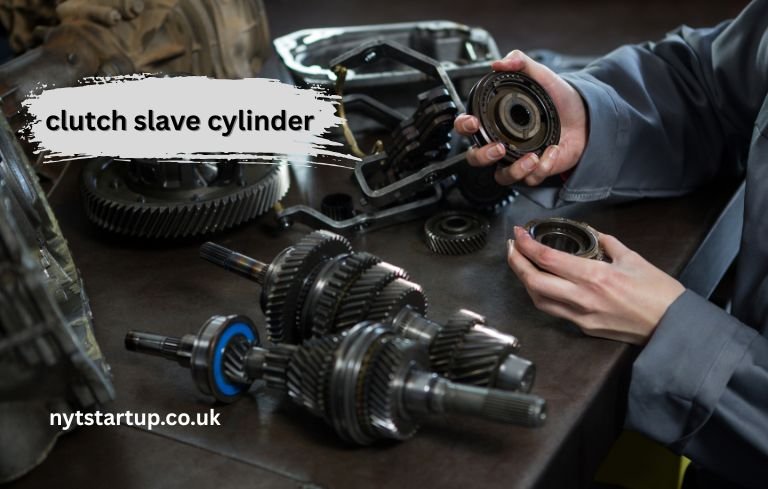
The clutch slave cylinder is a small yet powerful component in a vehicle’s hydraulic clutch system. It plays a crucial role in translating hydraulic pressure into mechanical movement, allowing you to change gears smoothly. When you press the clutch pedal, this cylinder pushes the clutch fork, disengaging the clutch from the engine. Think of it like a messenger delivering force from your foot to the clutch assembly. Without it, gear shifting would feel rough or even impossible. It works quietly behind the scenes, but when it fails, you immediately notice the difference in driving comfort.
How It Works in the Clutch System
When you press the clutch pedal, hydraulic fluid travels from the master cylinder to the slave cylinder. This fluid pressure causes the slave cylinder piston to move outward. That movement pushes the clutch fork, separating the clutch disc from the flywheel. This process allows you to shift gears without grinding. Once you release the pedal, the system resets, and the clutch re-engages. It’s a simple yet precise operation that depends heavily on the condition of the slave cylinder.
Understanding the Hydraulic Clutch System
A hydraulic clutch system consists of several interconnected parts working in harmony. These include the clutch pedal, master cylinder, hydraulic lines, and the slave cylinder. Each component plays a role in transferring force efficiently. The system relies on fluid pressure rather than cables, making it smoother and easier to operate. This design reduces driver effort and improves overall performance. Modern vehicles widely use this system due to its reliability and precision.
Master Cylinder vs Slave Cylinder
The master cylinder and slave cylinder work as a team. The master cylinder generates hydraulic pressure when you press the clutch pedal. The slave cylinder receives that pressure and converts it into motion.
Here’s a quick comparison:
| Component | Function | Location |
| Master Cylinder | Generates hydraulic pressure | Near clutch pedal |
| Slave Cylinder | Converts pressure into motion | Near transmission |
Both are essential, and failure in either can disrupt the entire clutch system.
Types of Clutch Slave Cylinders
Clutch slave cylinders come in different designs, each suited to specific vehicle setups and performance needs. Understanding these types helps you choose the right one for maintenance or replacement.
- External Slave Cylinder: Mounted outside the transmission, easier to access and replace.
- Internal (Concentric) Slave Cylinder: Located inside the transmission, offers smoother operation but requires more labor to service.
Signs of a Failing Clutch Slave Cylinder
A failing clutch slave cylinder often shows clear warning signs that affect your driving experience. You may notice changes in pedal feel, difficulty shifting gears, or visible fluid leaks, all indicating the system is losing hydraulic pressure.
- Soft or spongy clutch pedal
- Difficulty shifting gears smoothly
- Clutch pedal sticking to the floor
- Visible hydraulic fluid leaks near transmission
- Unusual grinding noise when changing gears
Causes of Clutch Slave Cylinder Failure
The clutch slave cylinder can fail due to several common issues that develop over time, often affecting the hydraulic system’s efficiency. Regular wear, poor maintenance, or contaminated fluid can lead to leaks, pressure loss, and reduced performance.
- Wear and tear: Seals and internal parts degrade with continuous use
- Fluid contamination: Dirt or moisture damages internal components
- Hydraulic leaks: Cracks or worn seals cause fluid loss
- Air in the system: Reduces pressure and affects clutch response
- Poor maintenance: Ignoring fluid changes shortens lifespan
Clutch Slave Cylinder Replacement
Replacing a clutch slave cylinder becomes necessary when you notice leaks, a soft clutch pedal, or difficulty shifting gears. The process involves removing the faulty cylinder, installing a new one, and ensuring all connections are secure. After installation, the system must be properly bled to remove any trapped air and restore smooth operation. Taking care during replacement helps prevent future issues and keeps your clutch system working efficiently.
How to Bleed Clutch Slave Cylinder
Bleeding removes air from the hydraulic system. Air pockets reduce pressure and cause a spongy pedal. Without proper bleeding, the clutch won’t function correctly. It’s a crucial step after replacing the slave cylinder or opening the system. Skipping it can lead to poor performance and frustration.
Manual vs Vacuum Bleeding Methods
There are two common methods for how to bleed clutch slave cylinder:
- Manual bleeding: Involves a helper pressing the clutch pedal while you release air through a valve
- Vacuum bleeding: Uses a pump to remove air without needing assistance
Both methods are effective, but vacuum bleeding is faster and more convenient.
Cost of Clutch Slave Cylinder Replacement
The cost of replacing a clutch slave cylinder varies depending on the vehicle and type. External cylinders are cheaper, while internal ones cost more due to labor.
| Expense Type | Estimated Cost |
| Parts | $50 – $200 |
| Labor | $100 – $600 |
| Total | $150 – $800 |
Luxury or performance vehicles may have higher costs.
Maintenance Tips for Longer Lifespan
Keeping your clutch slave cylinder in good condition doesn’t take much effort, but it makes a big difference in performance and durability. Simple habits like checking fluid levels and spotting leaks early can help prevent costly repairs and ensure smooth clutch operation.
- Regularly check hydraulic fluid levels
- Inspect for leaks around the slave cylinder
- Use the correct, high-quality clutch fluid
- Bleed the system periodically to remove air
- Avoid aggressive or excessive clutch use
Common Mistakes to Avoid
Many drivers unknowingly make small mistakes that can lead to bigger clutch problems over time. Ignoring early warning signs, using incorrect fluid, or rushing repairs can reduce the lifespan of your clutch slave cylinder and affect overall performance.
- Skipping the bleeding process after installation
- Using the wrong type of hydraulic fluid
- Ignoring fluid leaks or soft pedal symptoms
- Delaying replacement when the cylinder starts failing
- Improper installation or loose connections
Conclusion
The clutch slave cylinder may be small, but its impact on your driving experience is massive. From smooth gear shifts to reliable clutch engagement, it plays a vital role in vehicle performance. Understanding how it works, recognizing early warning signs, and maintaining it properly can save you from costly repairs and inconvenient breakdowns. Whether you’re dealing with a faulty cylinder or planning a replacement, staying informed makes all the difference. A well-maintained hydraulic clutch system ensures a smoother, safer, and more enjoyable drive every time you hit the road.
FAQs About clutch slave cylinder
What happens when a clutch slave cylinder fails?
When it fails, you may experience difficulty shifting gears, a soft clutch pedal, or complete clutch failure. It can make driving unsafe if not fixed promptly.
Can I drive with a bad clutch slave cylinder?
It’s not recommended because it can lead to sudden loss of clutch function. This may leave you unable to change gears.
How long does a clutch slave cylinder last?
Typically, it lasts between 50,000 to 100,000 miles, depending on driving conditions and maintenance.
Is it necessary to bleed the clutch after replacement?
Yes, bleeding is essential to remove air from the system and restore proper hydraulic pressure.
What’s the difference between internal and external slave cylinders?
External cylinders are easier to replace and located outside the transmission, while internal ones are integrated inside and require more labor to access.