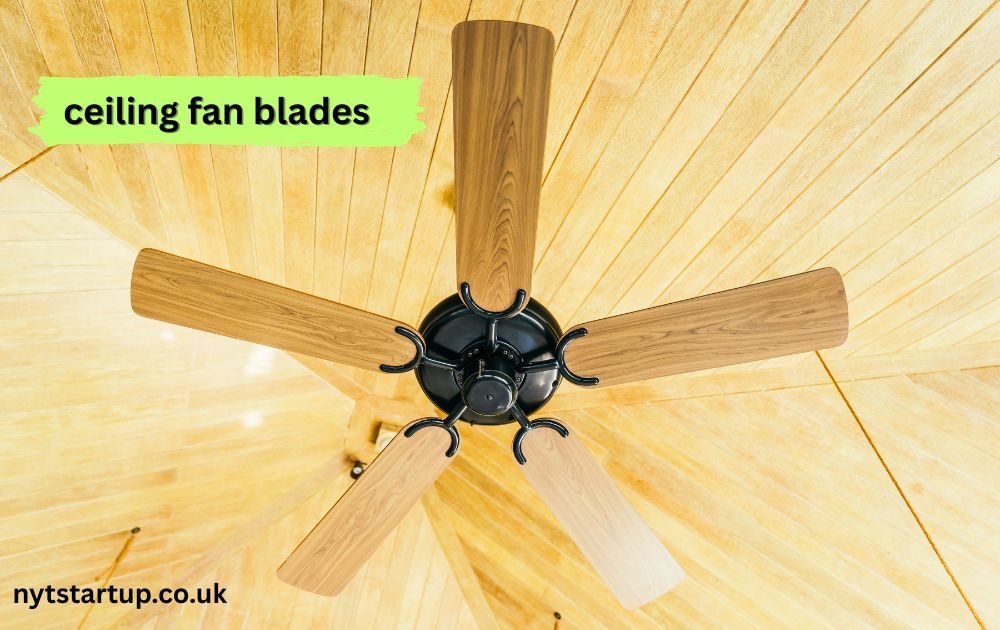
Ceiling fans are more than just a way to cool your room they’re a style statement, a comfort booster, and even an energy saver. But one often overlooked component is the ceiling fan blades. They may seem simple, but the right blades make a huge difference in airflow, efficiency, and durability. Whether you’re looking to replace old blades, clean them up, or upgrade your fan, this guide has got you covered.
What Are Ceiling Fan Blades?
Ceiling fan blades are the flat or curved panels attached to the fan’s motor that move air throughout the room. They might seem simple, but their material, shape, size, and angle (called pitch) directly impact airflow efficiency. Choosing the right blades ensures your fan works quietly, cools effectively, and complements your room décor.
Why Ceiling Fan Blades Matter for Comfort and Style
A ceiling fan isn’t complete without its blades. These simple yet essential components determine how much air circulates in your room and affect the overall aesthetic. From indoor elegance to outdoor durability, ceiling fan blades come in many shapes, sizes, and materials. Understanding their nuances helps you maintain them better and even improve your home’s comfort.
Types of Ceiling Fan Blades
Ceiling fan blades come in various materials, each suited for different spaces and styles:
- Wooden Blades: Classic look, quiet, best for indoor use; may warp in humidity.
- Metal Blades: Durable and modern, resist warping, but can be noisy.
- Plastic/PVC Blades: Lightweight, moisture-resistant, ideal for outdoors or humid areas.
Replacement Ceiling Fan Blades
Over time, ceiling fan blades can warp, crack, or collect dust, affecting airflow and performance. Replacing worn blades restores your fan’s efficiency and appearance. Before buying, measure the length, width, and pitch, and choose materials suitable for your space—wood for indoors, PVC for outdoors, or metal for a modern look. Properly matched blades ensure smooth operation and long-lasting comfort.
How to Clean Ceiling Fan Blades
Keeping ceiling fan blades clean improves airflow and extends their lifespan. Start by turning off the fan and using a microfiber cloth or soft duster to remove dust. For stubborn grime, gently wipe blades with a mild soap-and-water solution, then dry them completely to prevent warping. For an easy trick, slide each blade through a pillowcase to trap dust without making a mess. Regular cleaning keeps your fan efficient and looking fresh.
Hampton Bay Ceiling Fan Blades
Hampton Bay ceiling fan blades are known for their stylish designs and durable construction. Available in wood, composite, and weather-resistant materials, many models feature reversible blades for two different looks in one fan. Pre-finished and easy to install, they are a popular choice for both indoor and outdoor settings. You can find them at major retailers or online, but always check your fan model for proper compatibility.
Outdoor Ceiling Fan Blades
Outdoor fans need outdoor ceiling fan blades made of PVC, composite, or specially treated wood. These materials resist moisture, UV rays, and temperature changes, keeping your fan functional and safe.
Maintenance Tips:
- Wipe down blades regularly to remove dust and pollen
- Avoid harsh chemicals that can damage protective coatings
- Check screws and blade mounts periodically to prevent wobbling
Blade Sizes and Shapes
Ceiling fan blades come in various sizes and shapes to suit different room sizes and airflow needs. Smaller blades, typically 42 inches, work well in compact spaces, while longer blades up to 56 inches are ideal for larger rooms. The blade’s pitch and design also impact performance steeper angles push more air, and curved or aerodynamic shapes enhance airflow quietly and efficiently. Choosing the right combination ensures both comfort and style.
Improving Fan Efficiency with Blades
Well-maintained and properly balanced fan blades can significantly boost airflow and reduce energy usage. Replacing worn or warped blades and choosing high-quality materials ensures smoother operation and better cooling. Even small upgrades, like more aerodynamic designs, can make your fan quieter, more efficient, and more effective at keeping your space comfortable.
DIY Blade Upgrades
If you want to refresh your fan without replacing the entire unit, try these ideas:
- Repainting or staining wooden blades
- Adding decorative decals or trims
- Installing reversible blades for two different looks
- Switching to more aerodynamic blades for better airflow
Safety Tips When Handling Ceiling Fan Blades
- Always turn off the power before cleaning or replacing blades
- Use a stable ladder or stool
- Wear gloves if handling metal or rough surfaces
- Avoid over-tightening screws to prevent warping
Safety ensures your fan looks good and works safely for years.
How to Balance Ceiling Fan Blades
Balancing ceiling fan blades ensures smooth, quiet operation and extends the life of your fan. Start by checking for loose screws and tightening them. If the fan still wobbles, use a blade balancing kit or place small weights like coins on the blades to even out the weight. Properly balanced blades reduce noise, improve airflow, and make your fan more energy-efficient.
Conclusion
Ceiling fan blades may seem simple, but they are critical to comfort, style, and fan efficiency. Whether you need replacement ceiling fan blades, tips on how to clean ceiling fan blades, or guidance on choosing Hampton Bay ceiling fan blades or outdoor ceiling fan blades, proper care and selection make all the difference. With the right materials, regular maintenance, and some DIY upgrades, your fan can stay stylish, functional, and energy-efficient for years to come.
FAQs About ceiling fan blades
How often should I clean ceiling fan blades?
Every 2–3 weeks for dusty rooms or at least once a month for regular maintenance.
Can I replace ceiling fan blades myself?
Yes! With the right measurements and screwdriver, most blades are easy to replace.
Are outdoor ceiling fan blades different from indoor ones?
Yes. Outdoor blades are made of moisture and UV-resistant materials to withstand the elements.
How do I know if my fan blades are unbalanced?
If your fan wobbles, shakes, or makes unusual noise, your blades are likely unbalanced.
Can I upgrade my old fan blades for better airflow?
Absolutely. Installing aerodynamic or higher-quality blades can improve airflow and reduce noise.