


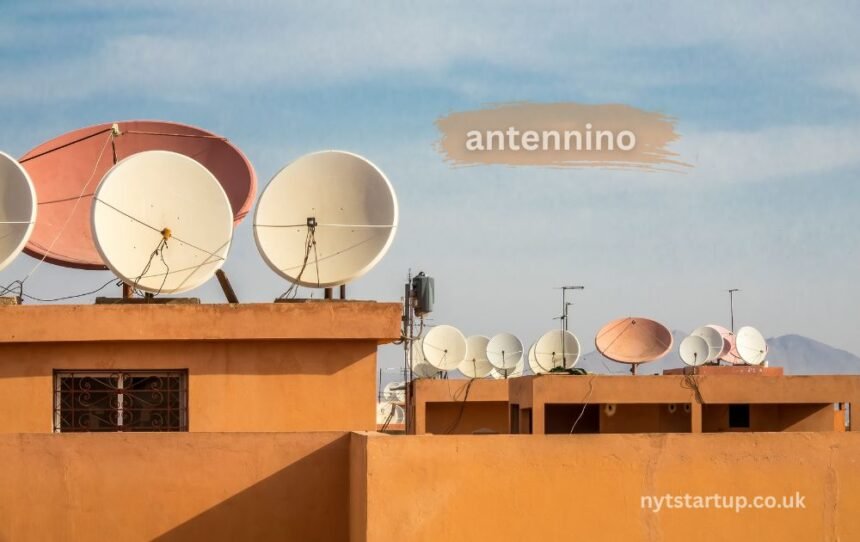
The word antennino may sound small and simple, but it connects to a surprisingly broad world of communication, installation, and even marine life. Whether you are looking into antennin asennus (antenna installation), learning about antennin suuntaus digita (digital antenna alignment), or exploring unique terms like chaetomorpha antennina, this guide will walk you through everything in a clear and friendly way.
Let’s break it down step by step and explore how antennino relates to everyday technology and specialized applications.
What Does Antennino Mean?
The term antennino is often interpreted as a smaller or compact antenna system. In many contexts, it refers to lightweight or modern antenna designs used for digital TV, Wi-Fi, or communication devices. Think of it as the “mini but mighty” version of traditional antennas.
Today’s antennas are no longer the large metal structures we once saw on rooftops everywhere. Modern versions are sleek, compact, and designed to blend into homes while delivering strong digital signals. Antennino symbolizes that shift toward efficiency and simplicity.
Antennin Asennus: Understanding Antenna Installation
Installing an antenna may sound technical, but with proper guidance, it becomes much more manageable. Antennin asennus refers to the proper setup and placement of an antenna to ensure the best possible signal reception.
When installing an antenna, placement matters more than people realize. Height, surrounding buildings, and even nearby trees can affect signal strength. A well-installed antennino system can significantly improve digital clarity and reduce interruptions.
Key Steps in Antennin Asennus
While professional installation is always an option, many homeowners prefer a DIY approach. Here are the essential elements involved in proper antenna installation:
- Choosing the correct antenna type (indoor or outdoor)
- Identifying the nearest broadcast towers
- Mounting the antenna securely
- Connecting coaxial cables properly
- Testing signal strength after installation
Each step plays a role in ensuring your antennino performs efficiently. Skipping careful alignment or secure mounting can result in signal drops or poor picture quality.
Antennin Suuntaus Digita: Digital Antenna Alignment Explained
If installation is the foundation, alignment is the fine-tuning. Antennin suuntaus digita means adjusting the antenna direction specifically for digital broadcasts. Digital signals differ from old analog signals. Instead of gradually weakening with static interference, digital signals either work clearly or not at all. That’s why precise direction matters so much. Even a slight shift of a few degrees can dramatically improve reception.
Using a signal strength meter or your TV’s built-in signal test feature can help you find the optimal direction. Slowly rotate the antennino and monitor the signal percentage until you achieve the highest possible reading. It’s a small adjustment that can make a big difference.
Why Digital Alignment Is More Important Today
In the analog era, imperfect alignment still allowed you to see a fuzzy image. Today, digital broadcasting requires accuracy. Without proper alignment, channels may freeze, pixelate, or disappear entirely.
Modern antennino systems are built for digital efficiency, but they still rely heavily on correct positioning. Environmental factors like weather conditions and building materials can also affect signal paths, making proper alignment even more critical.
Indoor vs Outdoor Antennino Systems
Choosing between indoor and outdoor antennas depends on your location and signal strength. Urban areas with strong broadcast towers may function well with compact indoor models. Rural areas often require stronger outdoor units.
Indoor antennino options are discreet and easy to install. They don’t require roof mounting and are ideal for apartments. However, walls and interference from electronic devices can reduce their effectiveness.
Outdoor antennas provide superior signal capture because they sit above obstacles. Though installation is more involved, the reward is stronger and more stable reception.
Common Challenges in Antenna Installation
Even with modern technology, users sometimes face issues. Common problems include:
- Weak signal strength
- Pixelated images
- Channel scanning failures
- Signal loss during bad weather
Many of these issues are linked to incorrect antennin suuntaus digita or poor mounting during antennin asennus. Taking time to double-check connections and positioning can often solve these problems without additional equipment.
Chaetomorpha Antennina: A Different Perspective
Interestingly, the term chaetomorpha antennina introduces a biological angle. Chaetomorpha is a type of green algae commonly found in marine environments. The “antennina” description sometimes refers to its long, thread-like structure that visually resembles tiny antenna-like strands.
This shows how the word “antenna” extends beyond technology. In nature, many structures resemble antennas from insect feelers to plant formations. The resemblance highlights how language often bridges technology and biology.
How Antennino Reflects Modern Communication Trends
Antennino represents how communication technology has become smaller, smarter, and more efficient over time. As people move toward digital broadcasting and wireless systems, compact antenna solutions fit perfectly into modern lifestyles. They offer reliable access to information without bulky equipment or complicated setups. In many ways, antennino reflects our desire for simple tools that deliver powerful results.
Maintenance Tips for Long-Term Performance
To keep your antennino working effectively, consider these maintenance practices:
- Inspect cables for wear or damage
- Ensure mounting brackets remain tight
- Recheck alignment after storms
- Periodically rescan channels
Weather changes and environmental factors can shift alignment slightly over time. A quick adjustment can restore optimal performance.
The Future of Antennino Technology
The future of antennino technology looks increasingly smart, compact, and efficient as communication needs continue to grow. Modern designs are moving toward built-in amplifiers, improved weather resistance, and even automated signal adjustment for better performance. As digital broadcasting and wireless systems evolve, antennino solutions are expected to become more powerful while remaining small and user-friendly. This steady innovation ensures antennas will continue playing an important role in reliable connectivity.
Conclusion
Antennino may sound like a small word, but it connects to installation techniques, digital alignment, and even natural formations like chaetomorpha antennina. From antennin asennus to antennin suuntaus digita, proper setup and alignment determine how well your antenna performs.
Whether you choose an indoor or outdoor model, careful positioning ensures strong digital reception. And while technology continues to evolve, antennas remain an essential part of modern communication.
In the end, antennino represents connection whether between broadcast towers and homes or between nature and technology.
Read more technology topic: The Complete Guide to Claalekfo
FAQs About Antennino
- What is antennino used for?
It is used to receive digital TV or communication signals through a compact antenna system. - What does antennin asennus mean?
It means the proper installation and setup of an antenna. - Why is antennin suuntaus digita important?
It ensures accurate digital signal alignment for clear reception. - Can I install an antennino by myself?
Yes, most antennino systems are designed for simple DIY installation. - What is chaetomorpha antennina?
It refers to a green algae species with antenna-like thread structures.