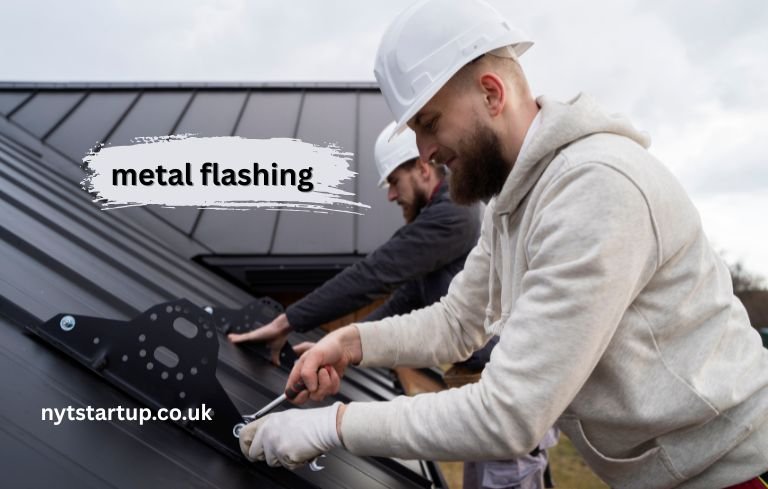
Metal flashing is a vital component used in construction to prevent water from entering vulnerable areas of a building. It is typically installed where different parts of a roof meet, such as around chimneys, vents, skylights, and valleys. By directing water away from these joints, metal flashing helps maintain the structural integrity of the roof. Although it may look like a small detail, it plays a major role in protecting homes from leaks and moisture damage.
What Is Metal Flashing and Why It Matters
Metal flashing refers to thin sheets of metal installed in roofing systems to create a waterproof barrier. These sheets are designed to guide rainwater away from seams and edges where water could seep inside. Without flashing, roofs would be more vulnerable to leaks, mold growth, and structural damage. This simple yet effective solution is widely used in residential and commercial construction.
Roof Metal Flashing and Its Role in Leak Prevention
Roof metal flashing is specifically designed for areas of the roof that experience heavy water flow. Roof valleys, roof edges, and intersections between walls and roofs are common locations where flashing is installed. The flashing forms a protective layer that prevents rainwater from penetrating beneath roofing materials. Properly installed roof metal flashing significantly reduces the risk of water damage and helps extend the life of the roof.
Common Types of Metal Flashing Used in Roofing
Metal flashing is used in different parts of a roof to prevent water from entering joints and gaps. Each type is designed for a specific area to improve protection and drainage.
Points:
- Step Flashing: Installed where the roof meets a wall to guide water away from seams.
- Valley Flashing: Placed in roof valleys where two slopes meet and water flows heavily.
- Drip Edge Flashing: Located along roof edges to direct water away from the fascia.
- Chimney Flashing: Used around chimneys to seal gaps and prevent water leaks.
- Vent Pipe Flashing: Installed around roof pipes and vents to keep water from entering.
- Counter Flashing: Added over base flashing for extra protection around chimneys and walls.
Materials Used for Sheet Metal Flashing
Sheet metal flashing is available in several materials, each offering unique advantages. Aluminum flashing is lightweight, corrosion-resistant, and easy to install. Copper flashing is known for its durability and attractive appearance, often used in high-end construction. Galvanized steel flashing provides strong protection and is commonly used in many roofing systems. Stainless steel flashing offers exceptional durability and resistance to rust, making it ideal for long-term applications.
Advantages of Using Sheet Metal Flashing
Sheet metal flashing provides reliable protection against water leaks while enhancing the durability of roofs and structures. Its strength and weather resistance make it a long-lasting solution for preventing damage.
Points:
- Prevents Water Damage: Stops leaks at roof joints and edges.
- Durable Material: Withstands harsh weather conditions over time.
- Low Maintenance: Requires minimal care while remaining effective.
- Versatile Use: Suitable for chimneys, valleys, skylights, and roof edges.
- Cost-Effective: Reduces expensive repair costs by protecting the roof.
- Improves Roof Longevity: Helps extend the lifespan of the roofing system.
- Easy to Customize: Can be cut and shaped to fit specific roof designs.
How Do You Paint Metal Flashing?
Many homeowners choose to paint metal flashing to match the color of their roof or exterior walls. Before painting, the metal surface should be thoroughly cleaned to remove dirt, dust, and grease. A high-quality metal primer is then applied to ensure the paint sticks properly. Once the primer dries, a weather-resistant exterior paint can be applied in thin layers. This process not only improves appearance but also adds an extra layer of protection against corrosion.
Proper Installation of Metal Flashing
Correct installation of metal flashing is essential for it to function effectively. Roofers carefully place flashing under shingles or roofing materials to create a continuous barrier against water. Sealing joints and securing the flashing with nails or screws ensures it stays firmly in place. Professional installation is often recommended because improper placement can lead to leaks and reduced performance.
Maintenance Tips for Metal Flashing
Regular maintenance of metal flashing helps prevent leaks and extends its lifespan. Simple checks and cleaning can keep it in good condition and protect your roof from water damage.
Points:
- Inspect Regularly: Check for rust, cracks, or loose sections.
- Clean Debris: Remove leaves, dirt, and other buildup around flashing.
- Seal Joints: Ensure all seams and edges are properly sealed.
- Repair Damage Quickly: Fix small issues before they become bigger problems.
- Repaint if Needed: Apply metal primer and weather-resistant paint to prevent corrosion.
- Check After Storms: Inspect flashing after heavy rain, wind, or snow.
Signs That Your Metal Flashing Needs Replacement
Over time, metal flashing may begin to show signs of wear. Rust spots, visible gaps, or water stains on ceilings can indicate flashing problems. Damaged flashing may also cause shingles to lift or allow moisture to seep into the roof structure. Replacing worn or damaged flashing promptly helps maintain the safety and longevity of the roof.
Metal Flashing for Different Climate Conditions
Different climates can affect the performance of metal flashing. In areas with heavy rainfall, durable flashing materials are essential for proper water drainage. In coastal regions, corrosion-resistant metals like aluminum or stainless steel are often preferred. In snowy climates, flashing helps prevent water from entering when ice and snow melt on the roof. Choosing the right material ensures the flashing performs well under local weather conditions.
Cost and Value of Metal Flashing
The cost of metal flashing depends on the material, size, and complexity of installation. While copper flashing tends to be more expensive, aluminum and galvanized steel offer more affordable options. Despite the initial cost, flashing provides excellent value by preventing expensive water damage repairs. Investing in quality flashing helps protect the entire roofing system.
Conclusion
Metal flashing is a small but essential part of any roofing system that helps protect buildings from water damage. From roof metal flashing to sheet metal flashing, these materials play a key role in preventing leaks and improving roof durability. Proper installation, regular maintenance, and occasional painting can help extend the lifespan of flashing. By understanding its importance, homeowners can ensure their roofs remain strong, secure, and well-protected for many years.
FAQs About Metal Flashing
What is metal flashing used for?
Metal flashing is used to prevent water from entering joints and vulnerable areas of a roof.
What is roof metal flashing?
Roof metal flashing is thin metal installed around roof edges, chimneys, and valleys to stop leaks.
What materials are used for sheet metal flashing?
Common materials include aluminum, copper, galvanized steel, and stainless steel.
How long does metal flashing last?
Metal flashing can last 20 to 40 years depend on the material and maintenance.
How do you paint metal flashing?
Clean the surface, apply metal primer, and then use weather-resistant exterior paint.